
The Importance of Pool Liner Replacement in Southampton
Southampton and the entire South Fork of Long Island is located on swampy, uncertain, terrain, and subject to the vicissitudes of seasonal weather variations and storms and hurricanes. It's time for an upgrade anyway.
11/28/20255 min read
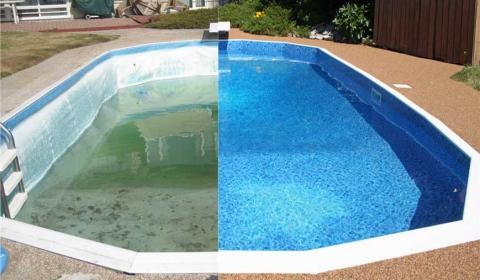
Understanding Pool Liners
Pool liners serve a fundamental role in both above-ground and in-ground swimming pools. They not only contain water but also provide a finished surface that enhances the aesthetic appeal of the pool area. Different materials are commonly employed to manufacture pool liners, including vinyl, fiberglass, and polyethylene. Each material has distinct qualities that affect durability, maintenance, and visual appearance.
Vinyl liners are particularly popular due to their flexibility and ease of installation. They are available in numerous colors and patterns, allowing for customization to suit individual preferences. However, vinyl liners typically have a lifespan of 5 to 9 years, necessitating periodic replacement to maintain both functionality and appearance.
Fiberglass liners, on the other hand, offer greater longevity, often lasting anywhere from 20 years to several decades. Fiberglass pools are molded and come with a gel coat finish, which is resistant to algae and requires less maintenance. However, the initial investment for a fiberglass liner can be higher than for vinyl options.
The specific environmental conditions in Southampton, NY, also significantly influence liner durability. The region experiences a range of weather conditions, including freezing winters and humid summers, which can lead to wear and tear on pool liners. Exposure to harsh UV rays can cause fading and degradation of material, while temperature fluctuations can result in cracking or tearing.
To prolong the life of pool liners, regular maintenance is essential. This includes proper water chemistry, cleaning, and inspections for signs of damage. By understanding the role of pool liners, pool owners in Southampton can take proactive measures to ensure their pools remain in optimal condition, ultimately enhancing their recreational experience.
Signs Your Pool Liner Needs Replacement
Recognizing when a pool liner requires replacement is crucial for maintaining the integrity and aesthetics of your swimming pool. Various visual signs and subtle indicators can signal the necessity for a new liner. One of the most apparent signs is the presence of tears or punctures in the liner material. Small rips can expand over time, leading to significant water loss and potential damage to the underlying pool structure.
Fading and discoloration are also common visual cues that can suggest it's time for a liner replacement. Aged liners often lose their vibrant colors and may develop an unattractive, dull appearance. If the pool appears bleached or stained, it could indicate that the liner's protective coatings are compromised, signifying that a replacement may be necessary to restore the pool's aesthetic appeal.
Beyond visible damage, water loss stands as a critical sign that your liner may need replacing. If you notice an unusual drop in water levels that cannot be attributed to evaporation or other factors, this might suggest a leak that results from liner deformation or holes. Regularly monitoring the water level can help identify such issues early on.
Additionally, an imbalance in the pool's chemical levels can be a subtle indicator of liner problems. If you're consistently struggling to maintain appropriate pH and chlorine levels, this might reflect liner deterioration, which can affect water chemistry by introducing contaminants or increasing algae growth.
Timely detection of these signs is essential to prevent further damage to your pool and surrounding area. Addressing these issues as soon as they arise can help you avoid more extensive repairs and costly replacements down the line. By staying vigilant and proactive, pool owners can ensure a safe and inviting swimming environment.
The Pool Liner Replacement Process
Replacing a pool liner is a critical maintenance task that ensures the longevity and aesthetic appeal of your swimming pool. The process begins with several preparation steps that can greatly impact the quality of the installation. First, it is essential to drain the pool completely and thoroughly clean the pool walls and floor to remove any debris, algae, or old liner remnants. This initial cleaning phase lays the foundation for an effective installation.
Choosing the right liner is an important next step. In Southampton, NY, pool owners should consider climate conditions when selecting materials, as different liners have varying levels of durability and UV resistance. Options include vinyl, which is popular due to its affordability and appearance, and reinforced materials, which offer enhanced longevity. It is advisable to consult local suppliers for high-quality liners that can withstand local weather patterns.
The installation techniques employed during the liner replacement are paramount. A professional installer will typically begin by installing coping strips along the pool's edge, ensuring a secure fit for the new liner. Once the liner is positioned, it must be properly stretched and secured to prevent future wrinkling or tearing. Hiring professionals is crucial, as they possess the expertise to avoid common DIY mistakes, such as improper liner alignment and inadequate sealing which can lead to costly repairs down the line.
Post-installation care is equally important to maintain the integrity of your new pool liner. Regular checks for signs of wear, appropriate water chemistry adjustments, and proper cleaning methods can help prolong the lifespan of the liner. By following these guidelines and seeking help from local professionals when necessary, pool owners in Southampton can ensure that their pool liners are replaced effectively for optimal performance and aesthetic appeal.
Choosing the Right Liner for Your Pool
When it comes to pool liner replacement in Southampton, NY, selecting the appropriate liner is paramount to ensure both aesthetics and functionality. There are several different materials available for pool liners, each offering unique benefits. The most common options include vinyl, fiberglass, and concrete. Vinyl liners are particularly popular due to their affordability and variety of designs. They come in various textures and colors, allowing pool owners to customize their pools to match personal preferences or landscape designs.
Fiberglass liners, on the other hand, provide a smoother surface that is easy to maintain and offers additional durability. This material has the added advantage of being resistant to algae growth, which can make maintenance simpler for pool owners. Concrete liners, while typically more expensive, offer an unmatched level of customization. They can be shaped and finished to create a distinct look that aligns with the owner's vision.
Budget considerations are essential when choosing a liner. Vinyl options are generally less expensive upfront but may require more frequent replacements over the years, while fiberglass can mean higher initial costs but might save money in the long run due to durability. It's prudent for homeowners to weigh these factors alongside their expected usage. For instance, pools that see heavy use might benefit from more resistant materials.
Color is another vital aspect of pool liner selection, as it can greatly influence the overall ambiance of the pool area. Light colors can create a bright, inviting look, especially under sunlight, while darker colors may provide a more dramatic effect. Additionally, warranties should be reviewed thoroughly. Different manufacturers offer varying warranty lengths and coverage, which can be instrumental in decision-making.
Ultimately, choosing the right liner hinges on a balance between preference, budget, and specific pool usage requirements. By carefully assessing all available options and their implications, homeowners can make informed decisions that enhance their pool's longevity and enjoyment.
Hamptons Pool Design for Pool Liner Replacement
Custom Pool Lighting and Landscape Lighting
What is Marble Dusting?
Grando Automatic Pool Covers: A notch above
Hamptons Pool Design: Hamptons Pool Builders and Full Service Pool Company in Hampton Bays
Custom luxury swimming pool and spa installation and service in the Hamptons and the East End.
Contact
Sign up for our newsletter
© 2025. All rights reserved.
Hamptons Pool Design
148 E Montauk Hwy,
Hampton Bays, NY 11946
1-631-594-7276