
Do I need a pool fence around my Pool in Southampton?
The Town of Southampton has strict pool permitting requirements, including mandatory pool fence requirements. This article details helps readers navigate the maze of arcane regulations about pool fencing.
12/3/20253 min read
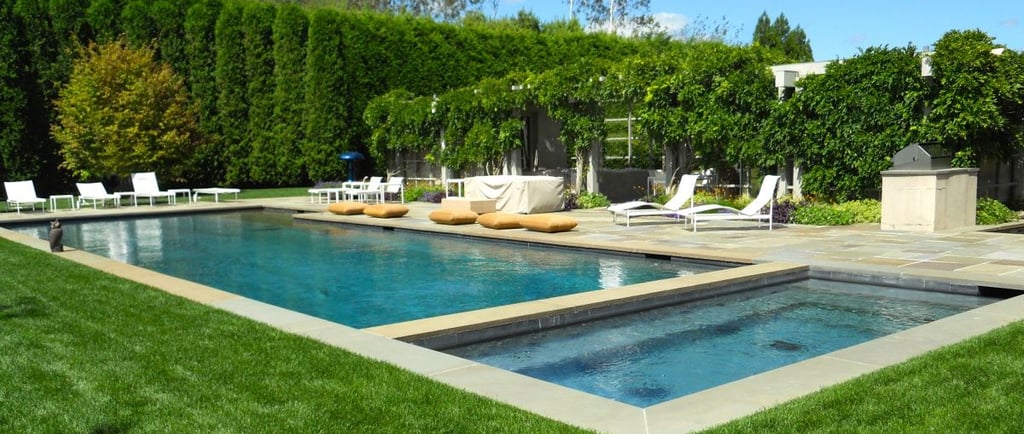
Pool Barrier & Permit Requirements in the Town of Southampton, NY
Installing an outdoor swimming pool in the Town of Southampton, NY, requires more than just digging a hole and filling it with water. Homeowners and contractors must comply with both New York State and local regulations to ensure safety and legal compliance. This article outlines the key requirements for pool barriers, fencing, and permitting specific to the Town of Southampton.
Understanding Pool Barrier Requirements
Under New York State law, all outdoor swimming pools capable of containing more than 24 inches of water must have a dedicated barrier enclosure. This requirement applies to inground pools, above-ground pools, spas, and hot tubs. The Town of Southampton adopts the 2020 Residential Code of New York State, which governs these pool safety requirements.
Key specifications for pool barriers in Southampton:
Height: The barrier must be at least 4 feet (48 inches) above ground on the side facing away from the pool.
Vertical Clearance: The bottom of the barrier cannot be more than 2 inches above the ground to prevent small children or animals from crawling underneath.
Openings: Any gaps, openings, or mesh spacing must be small enough to prevent a 4-inch diameter sphere from passing through.
Climb Resistance: The barrier must not have footholds, ledges, or structures that could make climbing over the fence easy.
Gates: Gates must be self-closing and self-latching, with the latch located at least 40 inches above the ground on the outside.
It is important to note that a fence surrounding the entire property or yard does not automatically satisfy these requirements. The law specifically requires a barrier that encloses the pool itself, isolating it from direct access by children, pets, or unauthorized persons.
Permitting Pools in Southampton
Before beginning construction, homeowners must obtain a building permit from the Town of Southampton Building & Zoning Division. Permitting and inspection in Southampton can be utterly ruthless: Code Enforcement is a major profit center for the local town, and nitpicking regulatory officials can be a nightmare. A huge portion of the Town's revenue comes from exploiting seasonal vacation home owners, and the Town is one of the best-funded in America relative to its year-round population. This is not simply due to one of the highest property tax rates anywhere, the enterprising town officials have many other levers to squeeze local homeowners. It helps to have years of experience navigating the maze of local regulations. To put it simply, "It helps to know the right guy". The permit application typically requires:
A site plan showing the pool location relative to property lines, existing structures, and any easements.
A detailed layout of the pool barrier or enclosure, including gate placement and specifications.
Compliance with electrical and plumbing standards for pools and related equipment.
Once the pool is constructed, a final inspection by the Building Department is required to certify compliance with all state and local codes. Only after passing inspection is a Certificate of Compliance issued, legally allowing the pool to be filled and used.
Why Yard Fences Alone Are Not Enough
Even if a property is fully fenced, this does not meet New York State barrier requirements for pools. Standard property fences often fail to meet the technical specifications for height, gate latches, vertical clearance, or climb prevention. The goal of the code is to isolate the pool area, not merely to enclose the yard.
For example, a 4-foot tall wood fence around the yard may not prevent children from gaining access to the pool via trees, playground equipment, or adjacent structures. A dedicated pool barrier ensures that unsupervised access is effectively prevented, reducing the risk of accidents and liability.
Practical Steps for Southampton Homeowners
Design the Barrier First: Plan the pool layout and barrier enclosure together to ensure full compliance.
Obtain a Building Permit: Submit a complete application with site plans and barrier specifications.
Install According to Code: Construct the pool and enclosure to meet the height, spacing, and gate requirements.
Schedule Final Inspection: Contact the Building Department for inspection before filling or using the pool.
Maintain Compliance: Regularly inspect the barrier for wear, damage, or gaps, and repair as needed.
Key Takeaways
All pools in Southampton must have a dedicated barrier around the pool, regardless of any existing property fences.
Minimum barrier requirements include 4 feet in height, no gaps larger than 4 inches, no climbable footholds, and self-closing, self-latching gates.
Homeowners must obtain a building permit and pass a final inspection before the pool can be legally used.
Compliance protects children, pets, and homeowners from accidents and liability.
By understanding and following these requirements, homeowners can safely enjoy their pools while staying fully compliant with both New York State law and Town of Southampton regulations.
Pool Inspection: Navigating the regulatory maze in Southampton
Gunite Pool Construction in Southampton: the Gold Standard
Water Features, Fire Features, and Custom Masonry in Southampton
Hamptons Pool Design: Hamptons Pool Builders and Full Service Pool Company in Hampton Bays
Custom luxury swimming pool and spa installation and service in the Hamptons and the East End.
Contact
Sign up for our newsletter
© 2025. All rights reserved.
Hamptons Pool Design
148 E Montauk Hwy,
Hampton Bays, NY 11946
1-631-594-7276